top of page

Clinical Evidence That Empowers

Explore the clinical evidence behind diagnostic tests that are advancing personalized breast cancer care, so you can better understand your options and have informed conversations with your healthcare team.
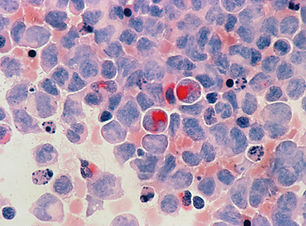
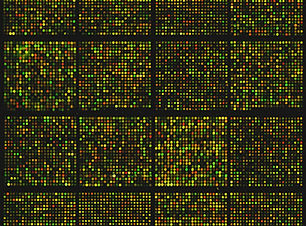
Image by National Cancer Institute

FoundationONE® CDx

An FDA-approved test for solid tumors that uses a small sample of tumor tissue to look for changes in more than 300 genes and identify targeted treatment options.

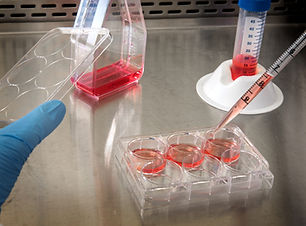
Image by MJH SHIKDER

MI Cancer Seek®

A test for advanced breast cancer with PIK3CA alterations that analyzes more than 23,000 genes from a single tumor tissue sample to help guide personalized treatment options.

Image by Nigel Hoare

Ignite Proteomics

A test for breast cancer that measures HER2 and more than 30 other breast cancer-related proteins in a small tumor sample to help guide personalized treatment options.

Image by National Cancer Institute

OncoExTra®

A test that identifies biomarkers in advanced, metastatic, refractory, relapsed, or recurrent breast cancer to help guide personalized treatment options.

Image by National Cancer Institute

BostonGene Tumor Portrait®

A comprehensive test for advanced solid tumors that identifies biomarkers, including BRCA1/2, PALB2, ERBB2, TMB-H, and others, to help guide personalized treatment options.

Image by CDC

Cure 1st PARIS® Test

A test that uses a live tumor sample to evaluate how a patient’s cancer responds to different therapies and combines these results with genomic testing to help guide personalized treatment options.

Image by BoliviaInteligente

Breast Cancer Index®

A genomic test for early-stage, HR+, HER2− breast cancer that helps determine the appropriate duration of endocrine therapy.

Image by National Cancer Institute

Signatera™

A personalized test that detects circulating tumor DNA (ctDNA) found in the blood to help identify residual disease and monitor for breast cancer recurrence.

Qualified_Patient_logo_extra_small.png

Privacy Policy

Legal

Cookies

Copyright Qualified Patient 2026
​

bottom of page